Solar Inverter Price in Pakistan: The Complete 2026 Buyer’s Guide
If you are shopping for solar this year, the solar inverter price in Pakistan is often the single most confusing line item on any quotation. Panels are commodities with fairly transparent pricing, but inverters vary wildly in features, warranty, and quality, and that variation is exactly where homeowners get overcharged or undersold. This 2026 guide unpacks what you are actually paying for, how to compare brands fairly, and how to avoid the traps that cost people thousands of rupees over a system’s lifetime.
By the end, you will know how to read an inverter spec sheet, when to spend more, and when a cheaper unit is perfectly fine.
What Determines the Solar Inverter Price in Pakistan?
The number on the tag is driven by several factors that rarely get explained on the showroom floor. Understanding them turns you from a passive buyer into a confident negotiator.
- Capacity (kW): Larger inverters cost more, but price per kW usually drops as size rises.
- Type: On-grid, off-grid, and hybrid units sit at very different price points.
- Efficiency: Premium units convert 97–98.5% of DC to AC; cheap ones waste more.
- Warranty and support: A local service network is worth real money.
- Battery readiness: Hybrid inverters that manage storage command a premium.
A common mistake is buying purely on the sticker price. A slightly pricier hybrid unit with a proper warranty and MPPT tracking usually returns its extra cost within the first two years through higher harvest and fewer breakdowns.
On-Grid vs Off-Grid vs Hybrid: Price and Purpose
Choosing the wrong category is the most expensive error in solar. Here is how the three types compare in 2026.
| Inverter Type | Best For | Relative Price | Battery Needed |
|---|---|---|---|
| On-grid (string) | Net metering, low bills | Lowest | No |
| Off-grid | No/weak grid areas | Medium | Yes |
| Hybrid | Backup + net metering | Highest | Optional |
For most urban homes with a stable connection, an on-grid inverter paired with net metering delivers the fastest payback. If load-shedding is frequent where you live, a hybrid unit justifies its higher solar inverter price in Pakistan by keeping essential circuits alive during outages.
Reading the Spec Sheet Like a Pro
Before you compare quotes, learn the four numbers that actually matter.
- MPPT trackers: Two or more let you place panels on different roof faces without dragging down output.
- Max efficiency: Look for 97%+; anything below 95% is dated technology.
- Surge rating: Motors and pumps need headroom above the continuous rating.
- Ingress protection: IP65 or higher survives Pakistani dust and monsoon humidity.
The International Electrotechnical Commission publishes the standards most reputable inverters are certified against, and a quick check for IEC compliance on the datasheet is a fast way to filter out grey-market units.
Where to Buy and What to Watch For
Prices shift with the rupee and shipping costs, so always confirm current rates before committing. You can review current models and transparent pricing for a solar inverter price in Pakistan from a supplier that lists specifications openly rather than hiding them behind a phone call.
Watch out for these red flags when comparing sellers:
- No serial number registration or warranty card.
- Vague efficiency claims with no datasheet.
- Prices far below the market with no explanation.
- No local service centre for repairs and firmware updates.
Brand Tiers and What You Really Pay For
Inverter brands sort roughly into three tiers, and knowing where a unit sits helps you judge whether a quote is fair. Premium tier brands invest heavily in firmware, monitoring, and global service networks, which is reflected in their price and their reliability. Mid-tier brands offer strong performance at a gentler price and are the sweet spot for most Pakistani homes. Budget brands can be tempting, but their warranties and after-sales support are often thin.
- Premium tier: Best efficiency, longest warranties, richest monitoring — priced accordingly.
- Mid tier: Excellent value, solid warranties, widely serviced — ideal for most homes.
- Budget tier: Low upfront cost, weaker support — proceed with caution.
Paying for a brand tier is really paying for reliability and service reach. A mid-tier unit backed by a local service centre almost always outperforms a budget unit with no support, even if the datasheets look similar on paper.
Sizing the Inverter Correctly
An inverter that is too small clips your peak production, wasting panel capacity, while one that is too large runs inefficiently at low loads. The goal is a sensible match between array wattage and inverter rating.
- Calculate array size first: Total the wattage of all panels you plan to install.
- Apply the DC/AC ratio: Aim for roughly 1.1 to 1.3 depending on your climate and roof orientation.
- Account for future expansion: If you may add panels later, choose an inverter with headroom.
- Check MPPT voltage windows: Ensure your string design stays within the inverter’s operating range.
Getting sizing right is where an experienced installer earns their fee. A slightly larger inverter often costs little more per kW yet unlocks smoother performance and easy future growth.
Warranty and Total Cost of Ownership
The cheapest inverter today can become the most expensive over ten years once you factor in efficiency losses, downtime, and replacement. Total cost of ownership is the metric that matters. A unit that converts 98% of your DC power and runs for a decade without a fault quietly outperforms a bargain unit that fails in year four and drags your production down in the meantime. Always weigh the warranty length, the efficiency curve, and the local repair capacity together, not the sticker price alone.
Installation Matters as Much as the Inverter
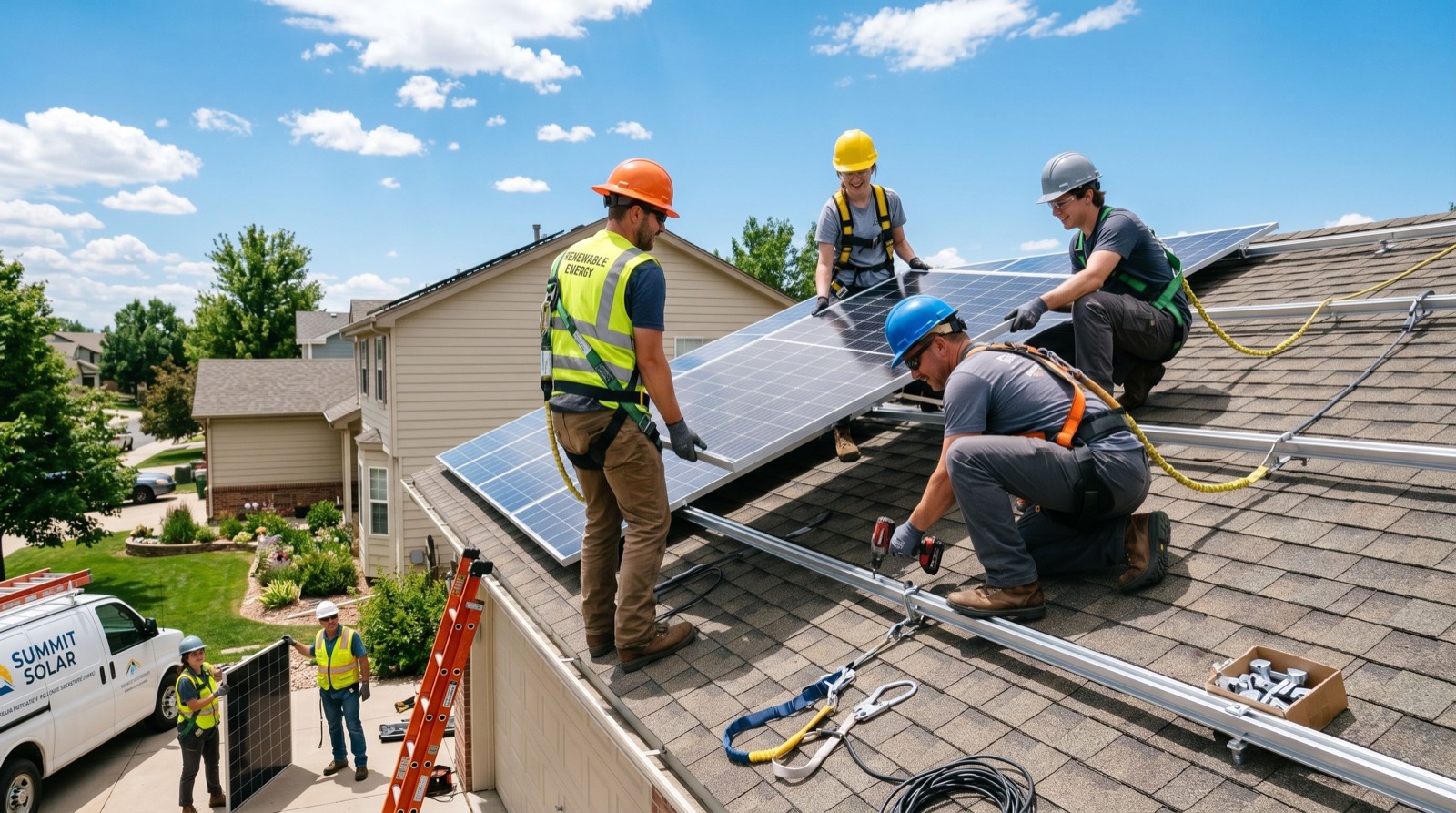
Even the best inverter underperforms with poor installation. Correct cable sizing, proper earthing, shaded and ventilated mounting, and accurate configuration all protect your investment. Working with a solar company in Faisalabad that handles design, installation, and net-metering paperwork end to end removes most of the risk from the process.
When you compare bids, look beyond price to the crew’s track record. Choosing reliable local experts who commission the system properly protects both your safety and your long-term savings.
Frequently Asked Questions
How much does a solar inverter cost in Pakistan in 2026?
Prices depend on capacity and type. On-grid string inverters are the most affordable, while hybrid units with battery management sit at the top of the range. Always confirm live pricing, as rates move with the rupee and import costs.
Is a hybrid inverter worth the extra money?
If you face regular load-shedding or want future battery backup, yes. Hybrid units keep essential circuits running during outages and still support net metering, justifying their higher price for most Pakistani homes.
What size inverter do I need?
Match the inverter to your array and consumption, generally sizing it within 10–20% of your total panel wattage. An experienced installer sizes it precisely after reviewing your bills and roof.
Do cheaper inverters last as long?
Not usually. Budget units often use lower-grade components and offer weaker warranties, leading to earlier failure. A mid-range unit with strong local support is typically the best value over 10 years.
Conclusion
The solar inverter price in Pakistan tells you very little on its own — the real value lies in efficiency, type, warranty, and installation quality. Decide your category first, read the spec sheet carefully, and buy from a supplier who publishes real datasheets and stands behind the product. Make those choices well in 2026 and your inverter will quietly deliver savings for two decades.