
Ask anyone who has just finished unpacking what made their move easier or harder, and the answer almost always comes back to packing. Not the truck, not the drive, but the boxes. Good packing is the quiet backbone of every successful relocation, and it starts long before moving day with a single unglamorous decision: getting the right materials in the right quantities.
This guide is a deep dive into the art of packing well, with a particular eye on families settling into the newer communities on the edge of the city. Whether you are moving into a townhouse in a growing suburb or upgrading to more space, the principles here will save you time, spare your belongings, and make unpacking feel like unwrapping gifts rather than defusing a mess.
Why Packing Materials Matter More Than You Think
People underestimate boxes. They grab a random assortment of used cartons, cram them full, and hope for the best. Then a bottom gives way on the stairs, or a box of glassware arrives as a bag of shards. The truth is that packing quality is directly proportional to material quality. Strong, correctly sized cartons with proper cushioning are the difference between belongings that survive and belongings that don’t.
Sourcing sturdy supplies is easy once you know where to look. Reliable carton boxes Dubai suppliers deliver proper double-walled cartons in a range of sizes, along with tape, bubble wrap, and packing paper, so you are not stuck reusing flimsy grocery boxes that were never built to be stacked or carried.
Choosing the Right Box for the Right Item
Not all boxes serve the same purpose, and matching the container to the contents is a skill worth learning. Small boxes are for heavy, dense items like books and kitchenware, where a large box would become impossible to lift. Large boxes are for light, bulky things like pillows, duvets, and lampshades. Specialty cartons exist for wardrobes, dishes, and mirrors, and they earn their keep by protecting the items most likely to break.
The common mistake is filling every box to the brim regardless of weight. A large carton packed solid with books becomes a back injury waiting to happen and often splits under its own load. Distribute weight sensibly, and every box stays liftable and intact.
The Technique That Prevents Breakage
Packing well is about eliminating movement. Anything that can shift inside a box will, and movement is what breaks things. Wrap fragile items individually, cushion the bottom of each carton, nestle the contents so they support one another, and fill every gap with paper or soft goods. When you close a box and shake it gently, nothing should rattle.
Plates travel on their edges, not stacked flat, because a plate stood upright resists pressure far better than one lying down. Glasses get paper stuffed inside them before wrapping. These small techniques, borrowed from professional packers, dramatically cut the odds of arriving to a box of casualties.
Labeling for a Smooth Unpack
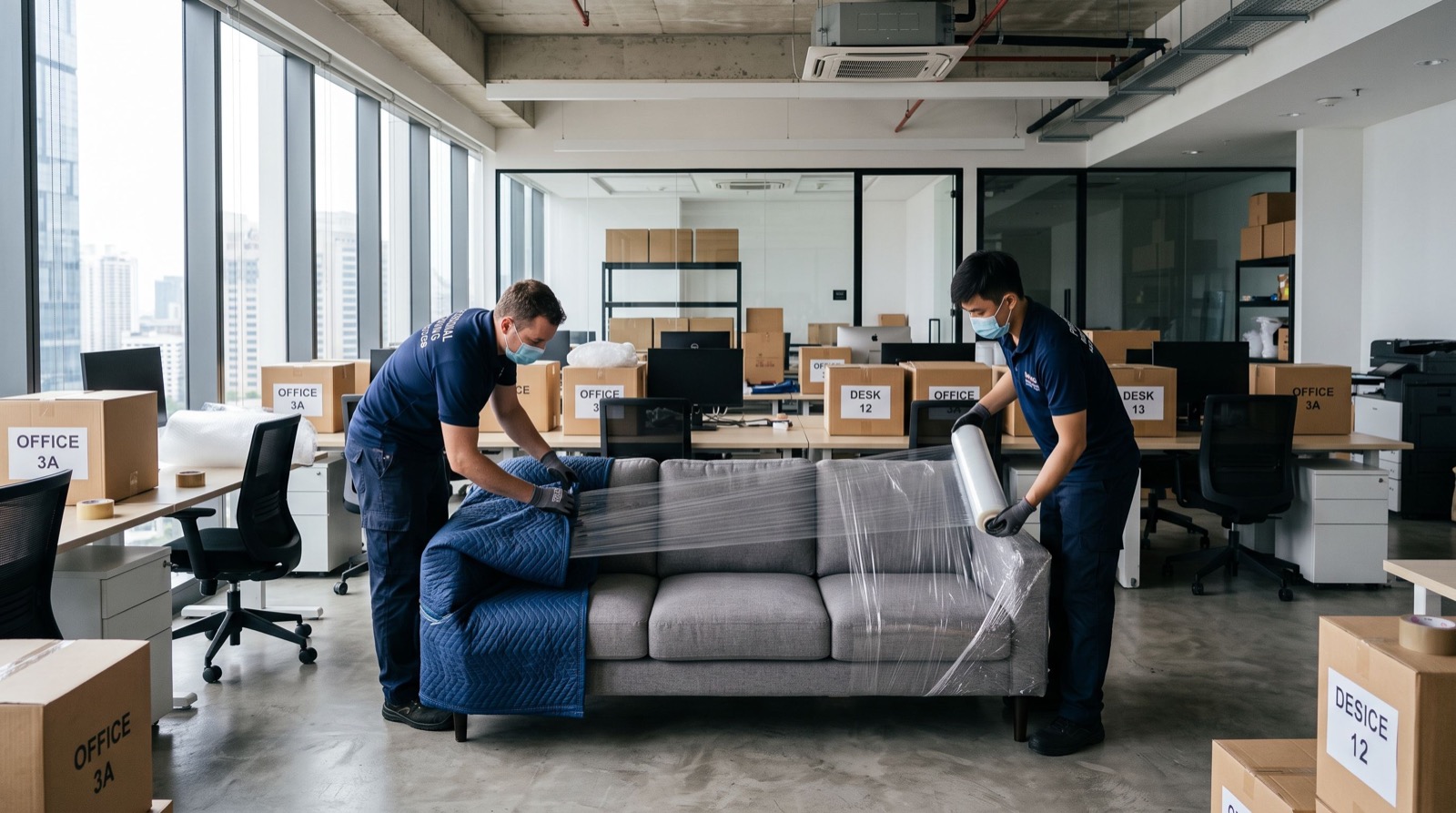
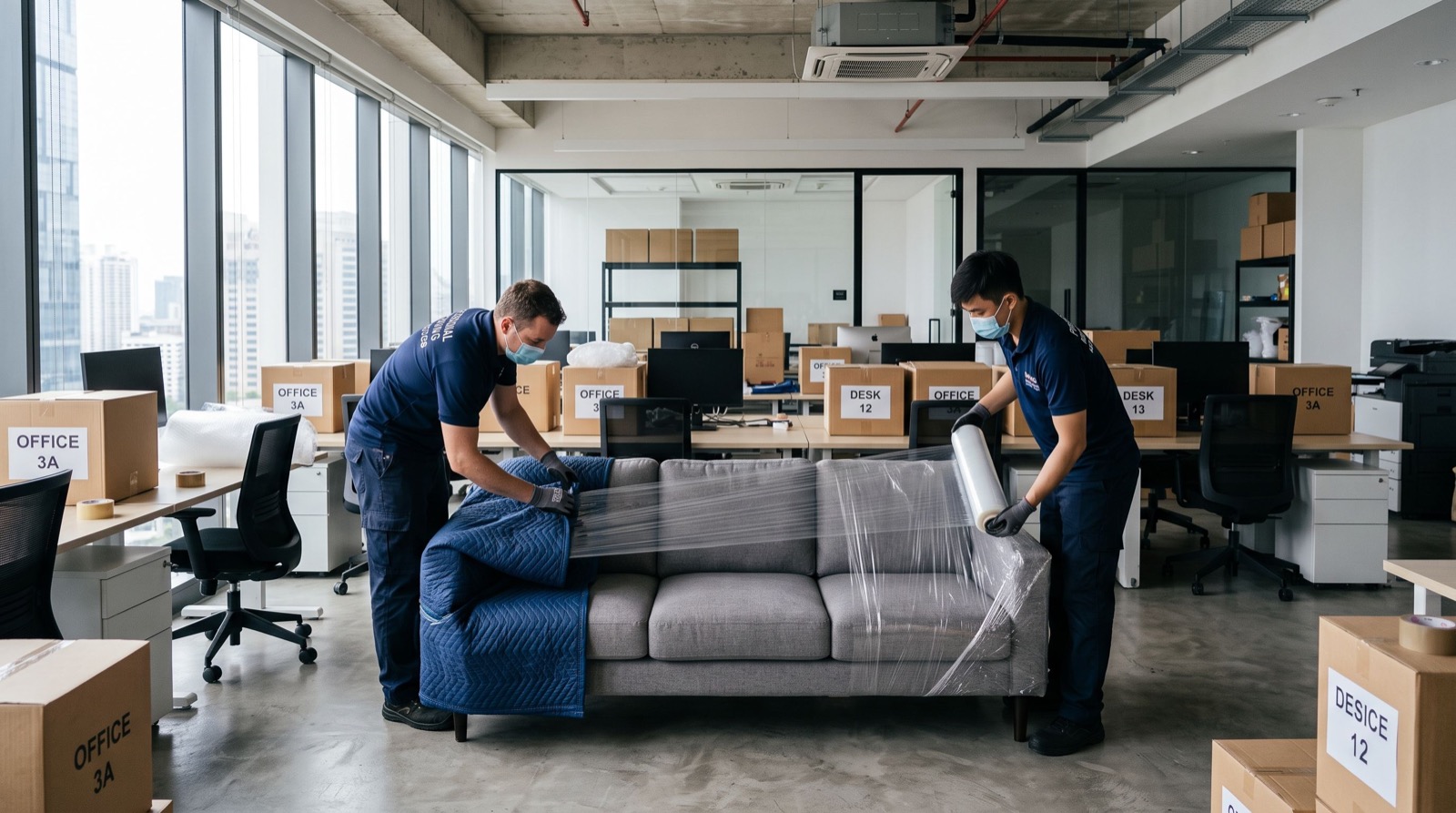
A perfectly packed box is only half the job if nobody knows what is inside. Label every carton on the top and at least one side with its contents and its destination room. Mark fragile boxes clearly and note which way is up. When the truck arrives at your new home, this labeling lets the crew place each box exactly where it belongs, so unpacking flows room by room instead of collapsing into one giant pile in the hallway.
Consider a simple color-coding system, one color per room, with matching tape or stickers on the boxes and on the doors of the new home. It takes minutes to set up and turns a confusing unload into an almost automatic sorting exercise.
Key Takeaways
- Material quality determines whether your belongings survive the move.
- Match box size to contents: small for heavy items, large for light bulky ones.
- Eliminate movement inside every box with wrapping and void fill.
- Pack plates on edge and cushion glassware from the inside out.
- Label by contents and room, and color-code for an effortless unpack.
Packing Room by Room
Tackling a whole home at once is overwhelming, so work one room at a time and start with the spaces you use least. Guest rooms, storage cupboards, and seasonal items can be boxed weeks ahead. Leave the kitchen and bedrooms for last, since you need them until the final days. This staged approach means the pressure never spikes and nothing essential gets packed too early.
Keep an open first-night box that travels with you: bedding, toiletries, phone chargers, a kettle, and a few plates. After a long moving day, being able to make tea and sleep in a made bed without digging through cartons is a small luxury that feels enormous.
Settling Into a Growing Community
Moving into one of the newer family communities on the city’s expanding edge brings the pleasure of fresh space and modern homes. These neighborhoods often have their own access procedures and delivery guidelines, and the crews familiar with them make arrival day easier. Teams experienced as movers in Mudon and similar districts know the layouts, the parking, and the community rules, which means less standing around and more efficient unloading.
Good local knowledge pairs naturally with good packing. Well-labeled boxes handed to a crew that knows the community equals a fast, orderly move-in, the kind where you are unpacking the kitchen by the afternoon instead of hunting for the box that holds the coffee.
When to Hand It Over
Packing an entire home is a serious undertaking, and there is no shame in outsourcing it. If time is short or the volume is large, professional packers work faster, pack tighter, and take responsibility for what they wrap. Look for quality service providers who supply their own materials and can pack your home in a day to a standard most of us could not match in a week. The cost buys back your time and lowers your risk in one move.
Final Thoughts
Packing is where moves are quietly decided. The families who arrive relaxed, with belongings intact and boxes landing in the right rooms, are almost always the ones who invested in good materials and sound technique before the truck ever showed up. Buy proper boxes, match them to their contents, eliminate movement, label with care, and work room by room. Do that, and the day the keys to your new home turn in the lock, you will feel not dread but genuine excitement to open the first box and start settling in.