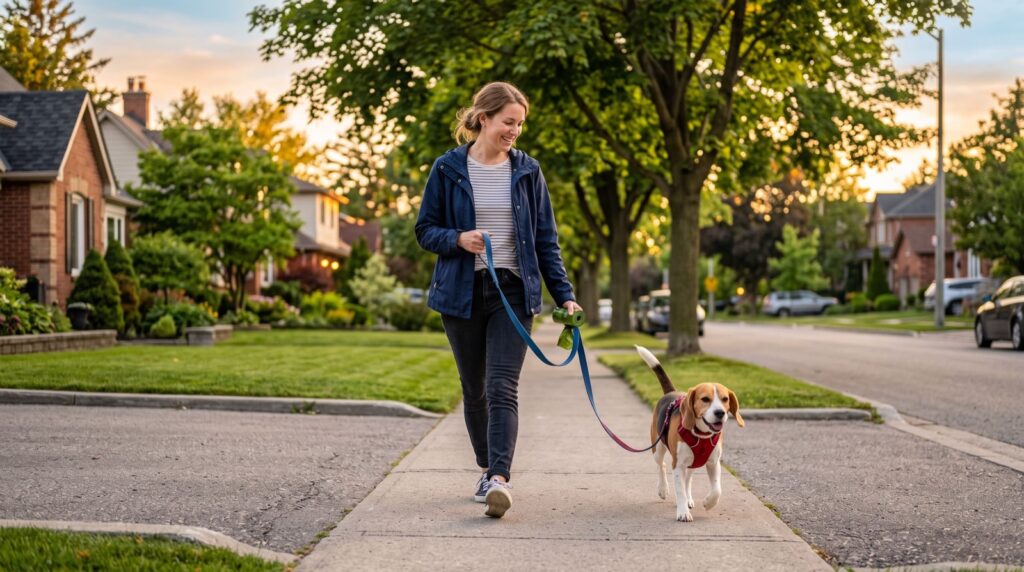
Side hustles come and go, but few match the strange, recession-resistant economics of pet waste removal. Nearly two-thirds of American households keep a pet, dogs produce waste every single day of the year, and a growing share of busy owners will gladly pay someone else to deal with it. The work requires no license in most states, no expensive machinery, and no formal training — just reliability, a route plan, and a strong stomach for the first week.
What separates scoopers earning a few hundred dollars a month from those clearing several thousand is not hustle alone; it is systems. This article breaks down realistic startup costs, the gear professionals actually carry, how to price for recurring revenue, and the unglamorous details — routes, records, and rock-solid reliability — that turn a weekend gig into a durable little business.
Why This Odd Little Niche Actually Works
Most home services are one-and-done: you paint a fence, you get paid once. Pet waste removal is a subscription. A typical client signs up for weekly visits at fifteen to twenty-five dollars each, and because the need never stops, churn is remarkably low. A book of forty weekly clients generates dependable income month after month with almost no additional selling.
The niche is also refreshingly under-competed. Lawn crews consider the work beneath them, and national franchises leave plenty of zip codes uncovered. In many suburbs you will be the only dedicated operator within a twenty-minute drive, which means referrals arrive faster than you can service them once the first handful of clients starts talking.
Your Startup Kit for Under $200
Resist the urge to buy a trailer’s worth of equipment. The professionals who last carry a compact, repeatable kit and nothing more. A sensible starting loadout looks like this:
- A no-touch scooper that uses disposable bags as the pickup surface
- Several rolls of thick, large-format waste bags
- Nitrile gloves and a small bottle of kennel-grade disinfectant
- A lidded bin or bucket for transporting sealed waste between stops
- Shoe covers or a dedicated pair of route boots
Seasoned operators keep liners, gloves, and disinfectant staged in a heavy duty tool bag so nothing gets forgotten between stops. It also pays to study how an established Pooper scooper company engineers its equipment — the smartest designs let the bag itself do the dirty work, so there is nothing to hose down between yards and no risk of carrying contamination from one client’s property to the next.
Pricing for Recurring Revenue
Charge per visit, scaled by dog count and yard size, and always steer new clients toward a weekly plan. A common structure is a base rate for one dog on a standard lot, with a few dollars added per extra dog and a premium for oversized or badly neglected yards. First-time cleanups of an overgrown property deserve a separate one-time fee — sometimes several times your weekly rate — because they can take an hour or more.
Avoid the trap of competing on price. The client who chooses you because you were three dollars cheaper will leave for the same reason. Compete instead on proof: before-and-after photos, a text message when the gate is latched, and a perfect record of showing up on the promised day.
Landing Your First Ten Clients
Your first ten clients will come from unglamorous, local channels. Post in neighborhood Facebook groups and on Nextdoor with photos of your work, not clip art. Leave door hangers in subdivisions where you already have one client, since dense routes are worth more than scattered ones. Ask every satisfied customer for one referral by name — most people know at least one neighbor drowning in yard duty.
Remember that homeowners hunting for reliable local experts almost always check reviews before they check prices, so set up a Google Business Profile on day one and ask your first clients to leave honest feedback. Five genuine five-star reviews in your town will outperform any paid advertising you could buy at this stage.
Route Density: The Real Profit Lever
The math of this business lives and dies on windshield time. Four clients on the same street can be serviced in under an hour; four clients scattered across the county can eat half a day. As your book grows, cluster visits by neighborhood and assign each cluster a fixed day of the week. Politely nudge outliers toward the day you are already nearby, or price the drive into their rate.
Track your numbers from the first week: minutes per yard, miles per route, revenue per hour. Operators who measure these figures quickly discover that a tight fifteen-client Tuesday route can out-earn a sprawling twenty-five-client route — with far less fuel and fatigue.
Running It Like a Business, Not a Chore
The scoopers who fail rarely fail at scooping; they fail at everything around it. Get simple general liability insurance, which is inexpensive and instantly separates you from hobbyists. Use a scheduling app or even a shared calendar so clients can see their service day. Invoice automatically and accept card payments — chasing checks is a tax on your evenings.
Above all, protect your reputation for showing up. In a service this simple, reliability is the entire product. Close gates every time, disinfect your boots between properties, and send a quick photo when the job is done. Those thirty-second touches are why clients stay for years and hand your number to their neighbors.
Key Takeaways
- Pet waste removal is a subscription business with weekly recurring revenue and low churn.
- A complete professional kit costs under $200 — scooper, strong bags, gloves, disinfectant, and a transport bin.
- Price per visit, add fees for extra dogs and first-time cleanups, and never compete on price alone.
- Reviews and referrals beat paid ads; a Google Business Profile is your first marketing move.
- Route density determines profit — cluster clients by neighborhood and track revenue per hour.
- Insurance, automated invoicing, and flawless reliability turn a gig into a real business.
The Bottom Line
Pet waste removal will never be glamorous, and that is precisely the opportunity. Low competition, tiny startup costs, and built-in recurring revenue make it one of the most accessible service businesses in America. The barrier to entry is not money or skill — it is the willingness to do work other people avoid, and to do it dependably.
If you can commit to one trial neighborhood, one solid kit, and eight consistent weekends, you will know quickly whether this business fits you. Most operators who make it past the second month look up a year later and find a route worth more than they ever expected from a side project that started with a scooper and a box of bags.